As humans, we intuitively know that hope is important. What we don’t necessarily appreciate is how important or that it is not the same as being optimistic.
Hope is defined as “a positive motivational state that is based on an interactively derived sense of successful (a) agency (goal-directed energy) and (b) pathways (planning to meet goals)” (Snyder et al., 1991, p. 287).
It is the sense of agency, and associated planning, that really distinguishes hope from optimism. Being optimistic simply means expecting things to work out for the better.
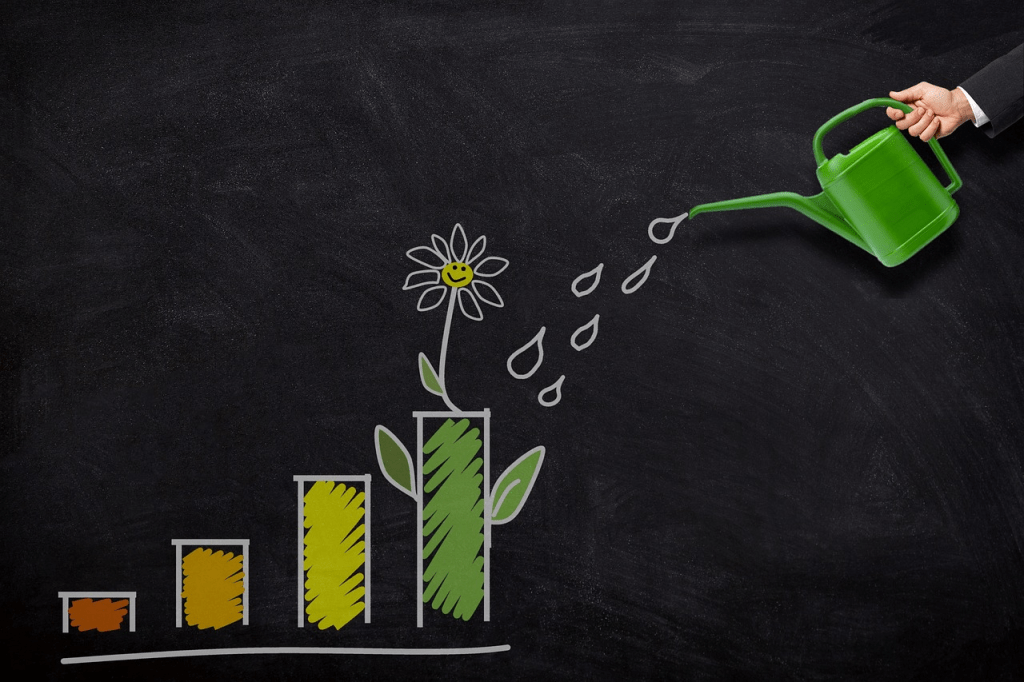
Hope is a more proactive emotion than optimism and better predicts positive outcomes (OECD, 2023)
High hope people can identify detailed strategies toward attaining these goals as well as their positive mental energy in pursuing these pathways. High hope individuals have confidence in their pathways and can often find alternative pathways when they experience barriers in their goal pursuit (Irving et al. 1998; Snyder 1994; Snyder 1995; Snyder 1996; Snyder 2000; Snyder 2002; Snyder et al. 1998).
Of all the aspects of subjective wellbeing, the causal effects are strongest for hope (Abdallah & Mahoney, 2023) .
At an individual level, recent studies have found that hope:
- Predict increases in life satisfaction (Graham & Mujcic, 2024; Murphy, 2023).
- Predict live longer and heathier lives (Graham & Mujcic, 2024)
- Is associated with positive outcomes in medical groups: posttraumatic growth amongst cancer patients, psychological adjustment amongst burn victims (Dursun, 2021) and reduced depression among leukaemia patients (Tremolada et al., 2020).
- Predicts job satisfaction and organisational commitment among employees in various sectors (Caza et al., 2012)
- Reduces the risk of incarceration (Graham & Mujcic, 2024)
- People with low levels of hope have been found to be more prone to misinformation (Graham et al., 2024).
Conversely, hopelessness is frequently cited as a symptom of depression.
At the societal level, hope has been found to be an essential ingredient for political activism in a range of contexts including:
- Black rights in the USA (Phoenix, 2019),
- Conflict in the Middle East (Leshem, 2019)
- Climate activism (Geiger et al., 2023).
- Involvement in collective action across multiple political contexts (Cohen-Chen & Van Zomeren, 2018; Klar & Kasser, 2009).

Snyder et al. also developed The Adult Hope Scale (AHS) which is widely used in research and clinical settings. It’s short and freely available at the Positive Psychology Center: https://ppc.sas.upenn.edu/resources/questionnaires-researchers/adult-hope-scale
We all know hope is important. Now you know a little more about what it really means, here are some self-reflection questions for you to pause and consider:
- Do you have a goal that needs you to go beyond optimism – boosting your sense of agency and hope?
- Could you identify more detailed strategies toward attaining your goals?
- How confident are you in your pathways? Can you find alternative pathways when you experience barriers to pursuing your goal(s)?
“Hope lies in dreams, in imagination, and in the courage of those who dare to make dreams into reality.”
Jonas Salkn
References
Abdallah, S. and J. Mahoney (2024[48]), “Measuring eudaimonic components of subjective wellbeing: Updated evidence to inform national data collections”, OECD Papers on Well-being and Inequalities, No. 30, https://doi.org/10.1787/667fbe08-en.
Snyder, C. R., Harris, C., Anderson, J. R., Holleran, S. A., Irving, L. M., Sigmon, S. T., Yoshinobu, L., Gibb, J., Langelle, C., & Harney, P. (1991). The will and the ways: Development and validation of an individual-differences measure of hope. Journal of Personality and Social Psychology, 60(4), 570–585. https://doi.org/10.1037/0022-3514.60.4.570
 Fulfilling work