Career journeys are never a straight line – there are always bends in the road, plot twists, changing characters. By mid-career and midlife, you will have done a lot, achieved a lot, learned a lot. There’s a rich story to tell.
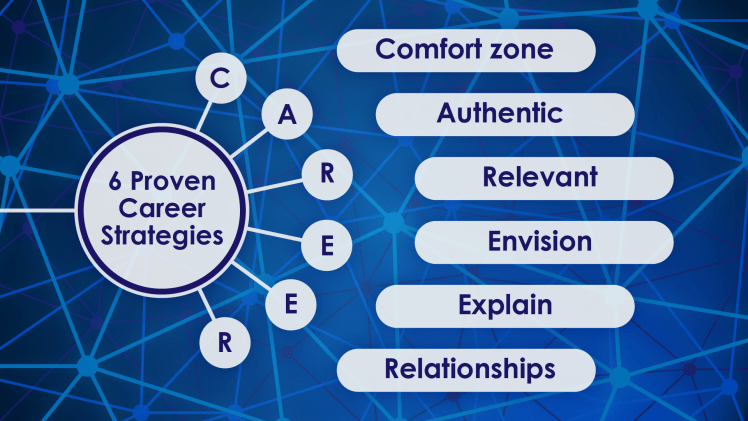
Being able to explain / verbalise your story is a really important career development strategy, but is can also be daunting. Here are some insights and tips to get you started.
Accessing your brand
It helps to think about the process as getting to know your brand. We all know about product brands – and defining and sharing your career brand is very similar. Begin by considering, and making notes, about these five things:
- Your values (what give your work purpose, or what do you stand for?)
- Your uniqueness (what unique perspective do you bring to an organisation?)
- Your contributions (given your business experience or studies, what can you bring to the table in your industry?)
- Your strengths (what are you known for being good at, when are you at your best?)
- What do people tend to say about you and your career so far (what are you already known for?)
Next, reflect on your career story so far.
You will already have several chapters in your story – e.g., your education, interests, previous jobs / organisations. Your next chapter, maybe a continuation of your previous story or involve a plot twist.

Like any other story, the tone, the characters, and narrative are key. What message do you want to receiver to take away?
Crafting your story – story archetypes
It can be fun to identify a suitable story archetype for your story. Story archetypes are recognisable patterns in a story’s plot and structure that are repeatedly found in stories across time, cultures, and beliefs.
Using an archetype as the basis for a story creates a sense of familiarity and connection in the reader / listener / interviewer. You hook into a pattern they already know – making it easier to relate to / remember.
Booker identifies seven major plots or ‘archetypes’ – read about them below or watch this animation if you prefer.
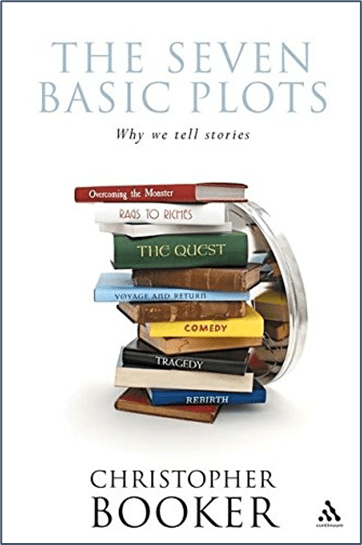
Rags to Riches: The poor protagonist acquires power, wealth, and/or a mate, loses it all and gains it back, growing as a person as a result
The Quest: The protagonist and companions set out to acquire an important object or to get to a location. They face temptations and other obstacles along the way
Rebirth: An event forces the main character to change their ways and often become a better individual
Overcoming the Monster: The protagonist sets out to defeat an antagonistic force (often evil) that threatens the protagonist and/or protagonist’s homeland
Comedy: A humorous character faces conflicts that become more and more confusing, but are at last made plain in a single clarifying event
Tragedy: The protagonist is a hero with one major character flaw or great mistake which is ultimately their undoing
Voyage and Return: The protagonist goes to a strange land and, after overcoming the threats it poses or learning important lessons unique to that location, returns with experience
- Which story archetypes resonate more for you?
- What do you most want to include / not – it’s your story?
- What makes it (most) compelling as a story?
- How can I tell it in a way that is authentic for me?
- What format might work for you?
Building your brand reputation
Your day to day behaviour is what gives you your brand. It’s also possible to influence and change it if you want to. Knowing that you have a brand, whether you like it or not, will hopefully encourage you to be clear about how you want others to see you and what you offer.
You can proactively craft / shape your reputation – within and outside your organisation. Nurturing and building your reputation takes care and sustained behaviour – a habit if you like. Developing this habit is important because everyone has a professional reputation that affects their access to opportunities.
- What reputation do you already have – in your organisation?
- What reputation do you already have – beyond your organisation?
- In what ways does it help you / provide opportunities?
- In what ways would you like it to be different / provide new types of opportunities?
- What realistic first step will you take to proactively build your brand reputation?
Practice – start by starting
A key part of building your brand reputation is to tell your career story. Like any skill, it takes practice and you can build your confidence as you go. You can also evolve your story with input from others.

Top tip – begin by ‘explaining’ your story to yourself – in the mirror, by video on your phone.
 Fulfilling work