Here are three top insights plus a practical approach you can use.
👩⚕️ When facing ongoing uncertainty our bodies stay at a high level of physiological arousal, exerting considerable wear and tear. In fact, some research indicates that chronic job insecurity is a stronger predictor of poor health than smoking or high blood pressure!
↘ Uncertainty also exerts a strong pull on our thoughts, skewing them. Studies show that we are uncertain we are drawn to people that we know like us, rather than people we are unsure of. As a result our thinking can become collusive, biased, and we are more likely to experience ‘group think’.
🌪 We all know the suspended waiting game can be agonising. “When the storm threatens, a man is afraid for his house. But when the house is destroyed, there is something to do. About a storm he can do nothing, but he can rebuild a house.”
Uncertainty is tough – but what can you do? The antidote to uncertainty is not to create certainty. You can’t. No-one can know everything and becoming rigid rarely helps. Instead, think about navigating uncertainty like pitching a tent on the top of a cliff.
It’s windy, the ground is uneven, the tent sides are flapping. You need to ensure sufficient tent pegs are down and that you can reposition them (or the whole tent) if necessary.
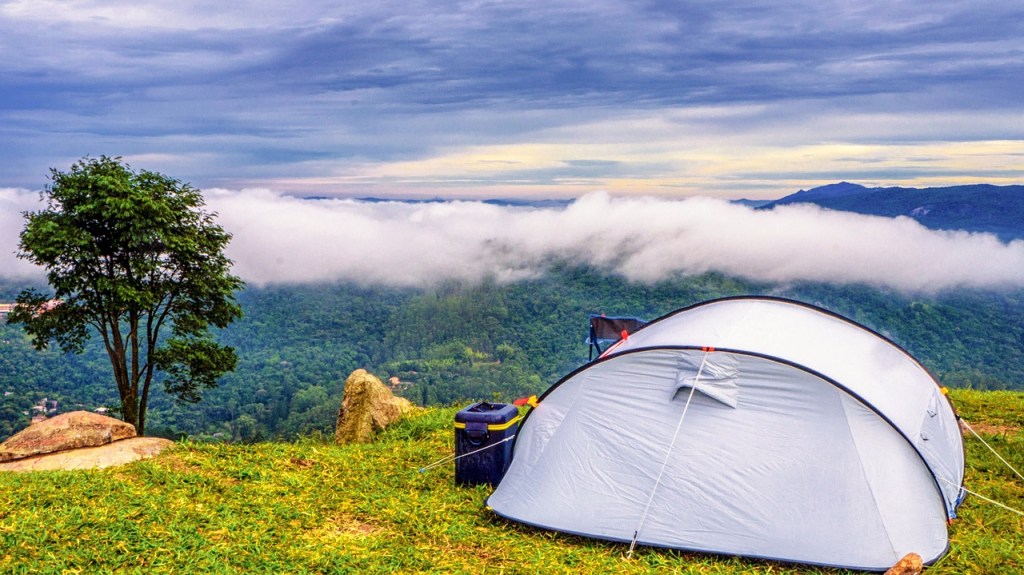
You need sufficient stability (sufficient tent pegs secured) plus enough agility (the ability to reposition as needed). You don’t need everything nailed down. You don’t need to anticipate every possible change in the weather.
You do need to pay attention to changing weather. You do need to pitch the tent – start by starting, you can adjust position if you need to.
· What are the most important things for you to secure right now?
· What don’t you need to be certain of yet?
· What isn’t serving you anymore and needs repositioning?
 Fulfilling work