Did you know there are gender differences in how we respond to stress and fear? We all know about the ‘fight-or-flight’ responses, but does it tell the whole story? Apparently not – there is also a female response to ‘tend and befriend’.
Until 1995, studies were heavily male biased with women constituting as little as 17% of participants. Fortunately, more recent research is shedding light on this important issue. Shelley Taylor, a social psychologist at UCLA, first developed the ‘tend and befriend’ theory as she tried to explain the social component of stress responses.
In stressful moments, women become even more protective of their children (tending) while banding together with other women for support (befriending). This makes sense to me – both historically and today.
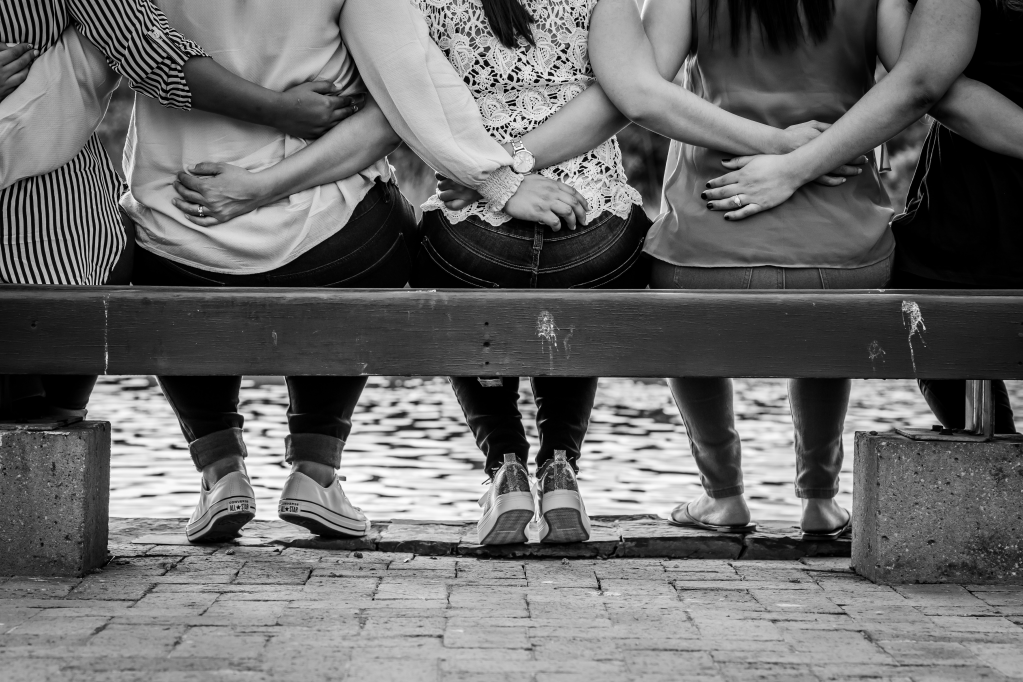
Personally, when I am frightened or stressed I definitely do ‘a head-count’ of those I love most to check they are OK and seek support from others to vent, get a sense check, or explore options. Not always other women, but always someone willing to listen and empathise.
According to Dr Lisa Mosconi, the gender difference seems in part due to our hormones.
“When stress strikes cortisol and adrenaline raise your blood pressure and sugar levels, which might prompt you to land a punch… or turn tail and run. That happens in both men and women. However, in women, as cortisol and adrenaline flood the bloodstream, the brain steps in with a shot of oxytocin. Oxytocin is a hormone that promotes nurturing, loving emotions”.
(Extract from The XX brain, 2020).
There are lots of practical implications of these findings of course. For example, in my work supporting mid-life career change, we know women tend to make more use of social or group support during transition. It’s seems to more natural – which I guess makes sense. Conversely, just because it may be less automatic for some men, is it something they could equally benefit from? These findings seem to be really important to how we build our resilience and support each other through stressful periods of our lives.
In my book Dancing with fear and confidence, I talk about the dance of mid-life being a group dance (internally and externally). This research has given me useful further insight into why this might be.
Does this science resonate with you? Who do you ‘tend and befriend’ when you are stressed or afraid? Who comes to you?
 Fulfilling work